
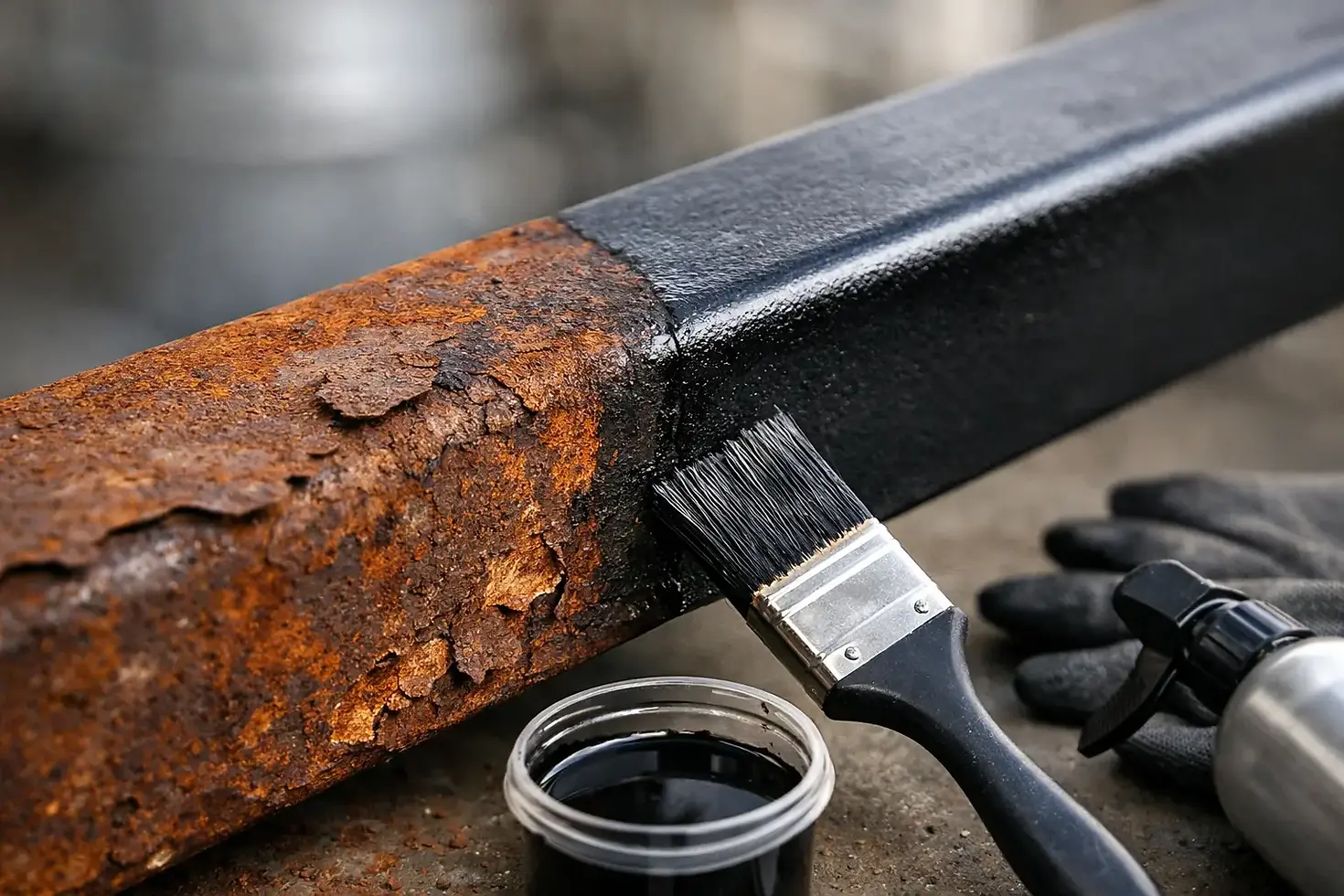
Rust Converter Prevention That Actually Lasts
- ERIC GIROUX
- Jun 13
- 6 min read

That rust spot on a floor pan, frame section, or inner fender usually starts the same way - a little surface oxidation that looks manageable until it spreads under paint, seam sealer, or undercoating. Rust converter prevention matters because it gives you a way to stop active corrosion in place when full metal replacement is not the first move, but it only works when the prep and follow-up coatings are handled correctly.
For restoration work, that distinction matters. A rust converter is not magic, and it is not a substitute for cutting out rotten steel. What it does well is chemically convert remaining rust on solid metal into a more stable surface that can be primed and topcoated. Used properly, it becomes part of a system. Used as a shortcut, it fails early.
What rust converter prevention really means
In practical shop terms, rust converter prevention is the process of stabilizing existing rust so it does not keep eating into sound metal under your finish. Most converters react with iron oxide and turn it into a dark, more stable layer that gives you a better foundation for primer or chassis coatings.
That makes converters especially useful in places where complete blasting or panel replacement is not realistic right away, such as suspension parts, underside components, engine bays, trunk interiors, and hard-to-reach seams. But the key phrase is sound metal. If the area is flaking apart, swollen at the seams, or soft enough to puncture with a pick, a converter will not restore strength.
This is where a lot of restorers lose time and money. They see "stops rust" on a label and assume the coating will bridge over any problem. It will not. If the metal is structurally compromised, the right repair is still fabrication and replacement. https://www.eastwoodcanada.com/rust-converter?currency=CAD
Where a rust converter makes sense
The best candidates are parts with surface rust or moderate scaling that can be mechanically cleaned back to a firm surface. Think control arms, subframes, brackets, core supports, seat pans, spare tire wells, and sections of the chassis that have not yet crossed into perforation.
It also makes sense when preserving factory panels is the priority. On an original vehicle, there are times when keeping as much existing metal as possible is the better call. In those cases, a converter can buy real service life, provided you strip loose material, neutralize the active corrosion, and lock the area down with the right primer and topcoat.
Where it makes less sense is on polished bodywork headed for high-end exterior paint, or on hidden rust trapped between overlapped panels that you cannot access. If corrosion is active between layers, no surface treatment from one side will fully solve the problem. https://www.eastwoodcanada.com/product-page/eastwood-canada-rust-converter-aerosol-51483z?currency=CAD
Rust converter prevention starts with prep
Most converter failures are prep failures. If the surface is oily, glossy, heavily scaled, or contaminated with road film, old undercoating, or wax, the chemistry cannot do its job consistently.
Start by removing loose rust, bubbling paint, and any flaky scale with a wire wheel, abrasive, scraper, or blasting where appropriate. You do not need bright bare steel everywhere, but you do need a firm surface. Anything loose has to go. If rust lifts in sheets, keep cleaning until you reach solid material.
After that, degreasing matters more than many people expect. Undercar and engine bay parts collect residue that can block adhesion even when the area looks dry. Clean first, let it fully dry, and then apply the converter according to the film thickness and cure guidance for that product. Too thin and you miss active areas. Too heavy and you can trap moisture or create a weak skin. https://www.eastwoodcanada.com/product-page/eastwood-canada-pre-painting-prep-10594zp?currency=CAD
Temperature and humidity also affect the result. Cold metal, damp air, and rushed dry times can leave you with uneven conversion or a coating that never fully hardens. In a working garage, the temptation is to keep moving, but rust work rewards patience.
What to do after the converter cures
This is the part that separates a short-term fix from a lasting repair. A converter is usually not the final finish. Once cured, it needs to be sealed from moisture, UV exposure, and abrasion with the right next layer.
For many automotive applications, that means primer followed by a chassis black, topcoat, or other durable coating suited to the part. On underbody areas, you may also want added protection from impact and road spray. On enclosed sections, internal frame coatings or cavity waxes can be the missing piece because rust often restarts from the back side, not the face you just repaired.
That is why rust converter prevention should be treated as a full workflow, not a single product purchase. Mechanical cleaning, chemical conversion, primer, topcoat, and cavity protection all support each other. Skip one stage and the weak point usually shows up fast, especially in wet climates or on vehicles that see salted roads.
Common mistakes that shorten the life of the repair
One of the most common mistakes is applying converter over paint and hoping it will crawl underneath to fix what you cannot see. It will not. If rust is pushing paint up, the paint has already lost its bond. Strip it back.
Another mistake is using a converter where an encapsulator or direct coating system would make more sense. These products are related, but they are not identical. A converter is there to react with rust. An encapsulating coating is there to isolate and seal prepared corrosion. Some projects need one, some need both, and some need fresh bare metal prep and epoxy instead.
People also get in trouble by leaving the converted surface exposed too long before priming. Even if the rust has changed color and looks stable, that surface still needs sealing. In a busy garage, it is easy to let a treated part sit for days or weeks. That gap can cost you adhesion and corrosion resistance.
Then there is the structural mistake: coating over rotten metal because it looks better in black. Cosmetic improvement is not repair. If the panel or frame section carries load, inspect it honestly.
Choosing the right approach for different parts
A floor pan patch area is not the same as a frame rail, and neither one behaves like a hood hinge or battery tray. Thin sheet metal around trapped moisture may need more aggressive cleanup and backside protection. Suspension parts need impact resistance. Areas near heat cycles, fluid exposure, or stone chips need coatings selected for those conditions.
This is where product systems matter. If you are doing serious restoration work, it is worth using rust treatment, primers, and topcoats designed to work together instead of mixing random leftovers on the shelf. Eastwood Canada serves a lot of builders who want that kind of project-specific coverage because the goal is not just making the part look clean today - it is keeping corrosion from returning after the vehicle goes back on the road.
How to tell if rust converter prevention is enough
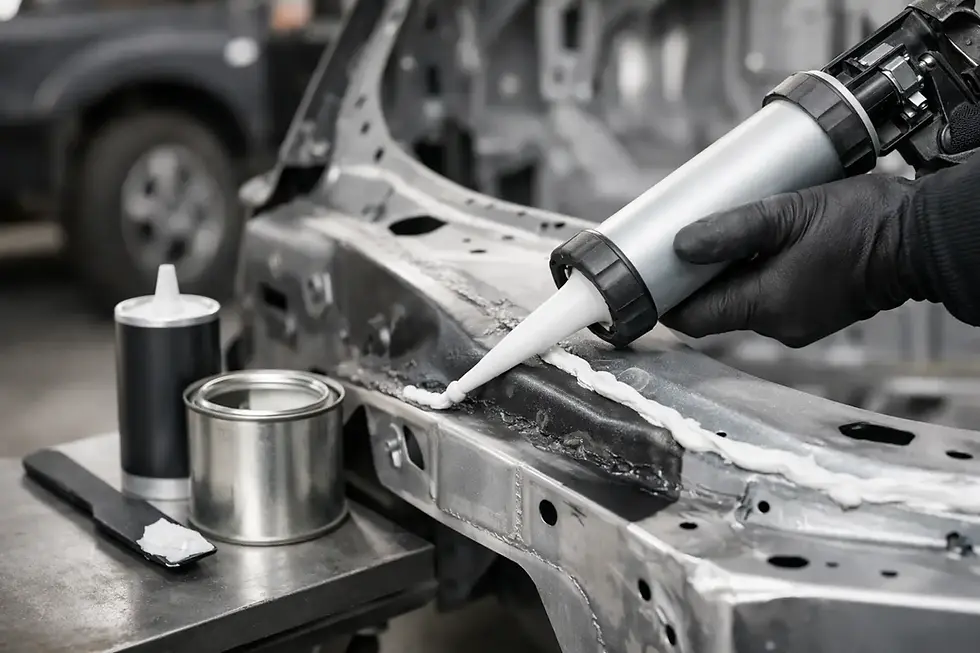
Ask three questions. Is the metal still structurally sound? Can you remove all loose scale and contamination? Can you fully seal the area after treatment, including hidden cavities if needed? https://www.eastwoodcanada.com/product-page/eastwood-canada-brush-on-seam-sealer-quart-51657zp?currency=CAD
If the answer is yes, a converter can be a solid repair step. If the answer is no on any one of those, the job probably needs a different plan. That might mean blasting, welding in patch panels, or replacing the part outright.
That trade-off is normal in restoration. Time, budget, originality, and intended vehicle use all affect the decision. A weekend driver stored indoors has different demands than a truck that sees Canadian weather and salted roads. The right repair is the one that matches the condition of the metal and the life you expect from the finished job.
A smarter way to think about rust control
The best results come from treating rust as a systems problem. Moisture gets in from seams, stone chips expose the coating, road salt stays trapped, and bare edges get missed during reassembly. A converter helps interrupt one part of that cycle, but prevention lasts when the whole area is protected.
That means cleaning drain paths, sealing seams where appropriate, coating both sides of repair areas when possible, and protecting enclosed cavities before the panels go back together. It also means checking the usual failure points early - wheel arches, rocker interiors, floor braces, trunk seams, and lower fender sections - before the damage turns into fabrication work.
If you approach rust converter prevention with that level of discipline, it can save original parts, extend the life of repaired metal, and give your coatings a fighting chance. The real win is not just stopping the rust you can see. It is setting up the repair so the same area does not come back to haunt the project next season. https://www.eastwoodcanada.com/?currency=CAD


Comments