
Top Metal Rust Repair Products for Metal Surfaces

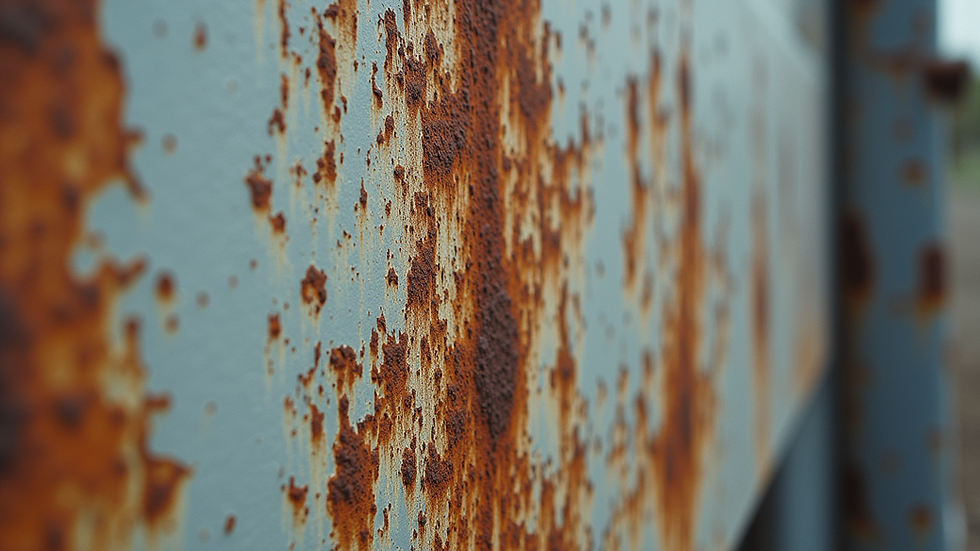
Rust is a common enemy when it comes to metal surfaces, especially in automotive restoration and repair. Whether you’re working on a classic car, a truck, or any metal part exposed to moisture and air, rust can quickly damage the integrity and appearance of your project. Fortunately, there are many effective metal rust repair products available that can help you stop rust in its tracks and restore your metal surfaces to their former glory.
In this post, I’ll walk you through some of the best options for tackling rust. I’ll share practical tips, product recommendations, and insights to help you choose the right solution for your needs. Let’s dive in!
Why You Need Quality Metal Rust Repair Products
Rust doesn’t just look bad - it weakens metal and can cause serious damage over time. If you ignore rust, it will spread and eventually eat through the metal, leading to costly repairs or even replacement. That’s why using the right metal rust repair products is essential.
Good rust repair products do more than just cover up rust. They:
Stop rust from spreading by neutralizing it chemically
Prepare the surface for painting or coating
Protect metal from future corrosion
Save you time and money by preventing further damage
When you invest in quality rust repair products, you’re investing in the longevity and durability of your metal surfaces.
Top Metal Rust Repair Products You Should Consider
There are several types of products designed to repair rust on metal surfaces. Here’s a breakdown of the most effective ones I’ve used and recommend:
1. Rust Converters
Rust converters are chemical solutions that transform rust into a stable, black protective coating. They work by reacting with iron oxide (rust) and converting it into a compound that prevents further oxidation.
Best for: Surfaces with light to moderate rust
How to use: Clean the surface, apply the converter with a brush or spray, let it dry, then paint over it
Benefits: Saves time by eliminating the need to remove all rust manually
2. Rust Removers
Rust removers are acidic or chelating agents that dissolve rust completely. They are ideal if you want to remove rust down to bare metal.
Best for: Small parts or areas with heavy rust
How to use: Apply the remover, let it sit for the recommended time, then scrub or rinse off
Benefits: Leaves a clean surface ready for primer and paint
3. Rust Encapsulators
Encapsulators are coatings that seal rust and prevent moisture from reaching the metal. They are often used as a primer before painting.
Best for: Surfaces where rust removal is difficult or impractical
How to use: Apply directly over rust, then topcoat with paint
Benefits: Provides a durable barrier against moisture and corrosion
4. Rust Inhibitor Primers
These primers contain chemicals that inhibit rust formation and promote adhesion of paint.
Best for: New metal or repaired surfaces
How to use: Apply after cleaning and rust treatment, before painting
Benefits: Extends the life of your paint job and metal surface
5. Protective Coatings and Paints
After treating rust, applying a high-quality protective coating or paint is crucial. Look for products designed for automotive or industrial use that offer rust protection.
Best for: Final finish on repaired metal surfaces
How to use: Apply according to manufacturer instructions, usually after primer
Benefits: Enhances appearance and protects metal from future rust

Is Vinegar or CLR Better for Rust?
When it comes to DIY rust removal, many people ask whether vinegar or CLR (Calcium, Lime, and Rust remover) is better. Both have their uses, but they work differently.
Vinegar
Vinegar contains acetic acid, which can dissolve rust over time. It’s inexpensive and easy to find.
Pros: Non-toxic, safe for small projects, environmentally friendly
Cons: Works slowly, may require soaking for hours or days, less effective on heavy rust
CLR
CLR is a commercial product designed to remove calcium, lime, and rust deposits quickly.
Pros: Fast-acting, effective on tough rust, easy to apply
Cons: Contains stronger chemicals, requires careful handling and protective gear
Which Should You Choose?
For light rust on small parts, vinegar is a great natural option. For heavier rust or larger projects, CLR or specialized rust removers will save you time and effort. Always follow safety instructions and test on a small area first.
How to Choose the Right Rust Repair Product for Your Project
Selecting the best product depends on several factors:
Extent of rust: Light surface rust vs. heavy corrosion
Type of metal: Steel, iron, aluminum, etc.
Project size: Small parts vs. large panels
Desired finish: Whether you plan to paint or leave the metal bare
Time and budget: DIY solutions vs. professional-grade products
Here’s a simple decision guide:
Light rust and quick fix: Use a rust converter or encapsulator
Heavy rust and full restoration: Use a rust remover followed by primer and paint
Preventive maintenance: Use rust inhibitor primers and protective coatings regularly
By matching the product to your specific needs, you’ll get the best results and protect your metal surfaces for years to come.
Tips for Effective Rust Repair and Prevention
Repairing rust is only part of the battle. Preventing it from coming back is just as important. Here are some tips I’ve found helpful:
Clean surfaces thoroughly before applying any rust treatment
Remove loose rust and paint with wire brushes or sandpaper
Use rust repair products as directed for best results
Apply primer and paint promptly after rust treatment
Keep metal dry and protected from moisture whenever possible
Store tools and parts indoors or cover them during wet weather
Inspect your vehicle or equipment regularly for early signs of rust
Following these steps will help you maintain your metal surfaces and avoid costly repairs down the road.
If you want to explore a wide range of reliable rust repair products designed specifically for automotive restoration, Eastwood Canada offers an excellent selection. Their products are tailored to meet the needs of enthusiasts and professionals alike, making it easier to keep your projects rust-free and looking great.
Rust doesn’t have to be a roadblock. With the right tools and knowledge, you can tackle it confidently and keep your metal surfaces in top shape. Happy restoring!


Comments